









A Safety Data Sheet (SDS)
A Safety Data Sheet (SDS), formerly known as an MSDS, is a legally required document that provides essential safety, handling, storage, and transport information for chemical products. It is the primary tool used worldwide to communicate chemical hazards, protect workers, and ensure regulatory compliance.
In air freight and international logistics, the SDS plays a critical role under IATA Dangerous Goods Regulations. It is used to assign the correct UN number, identify the hazard class, determine packing group, and confirm whether a product is permitted on passenger or cargo aircraft. Without a compliant SDS, chemicals cannot legally be shipped by air.
learn moreOur Coverage
Our enterprise users get visibility to all of the features including hazardous data details including type, packing groups and REACH/SVHC including authorization numbers.
It is a legal requirement that the Safety Data Sheet (SDS/MSDS) is supplied in the official language(s) of the Member State(s)
Our Intermediate and Enterprise users will have access to these locally translated REACH compliant safety datasheets in Member State(s)
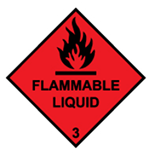
Flammable Liquids (IATA Class 3):
Flammable liquid chemicals are a critical part of modern aircraft maintenance, repair, and overhaul (MRO) operations. These high-performance chemicals are widely used for degreasing aircraft components, removing old paint and coatings, cleaning metal surfaces, and preparing parts for bonding, sealing, or repainting. Because these liquids release vapours that can ignite easily at low temperatures, they are classified as dangerous goods and must be handled with strict safety controls.
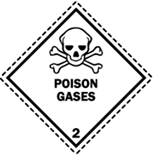
Poison Gases - (IATA Class 2.3)
Poison gases, classified under IATA Dangerous Goods Class 2.3, are highly hazardous substances used in limited but critical aircraft maintenance, testing, and manufacturing support operations. These gases are dangerous because they can cause serious injury, respiratory failure, or fatal poisoning even at low exposure levels. As a result, their storage, handling, and transportation are subject to the strictest international safety controls.
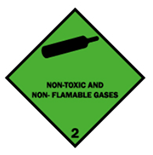
Non-Toxic, Non-Flammable Gases (IATA Class 2.2):
LNon-toxic, non-flammable gases are classified under IATA Dangerous Goods Class 2.2 and play a vital role in a wide range of aircraft maintenance, testing, and operational support activities. While these gases do not present fire or poisoning risks, they are stored under pressure and can still pose serious hazards if handled incorrectly, including cylinder rupture, asphyxiation through oxygen displacement, or pressure-related injuries.
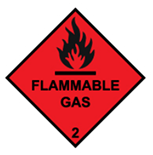
Flammable Gases (IATA Class 2.1):
Flammable gases are classified under IATA Dangerous Goods Class 2.1 and are widely used in aircraft maintenance, repair, and overhaul (MRO) operations for cutting, welding, brazing, and specialised surface treatments. These gases ignite easily when mixed with air and exposed to heat, sparks, or static discharge, making them one of the highest fire and explosion risks within the aviation maintenance environment.
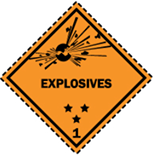
Explosives (IATA Class 1):
Explosives are classified under IATA Dangerous Goods Class 1 and represent the highest level of transport and handling risk within the aviation industry. These materials are capable of producing a sudden release of gas, heat, pressure, and shockwave, which can result in severe damage to aircraft, infrastructure, and human life if not controlled correctly. As a result, explosives are subject to the most stringent international safety, security, and transport regulations.
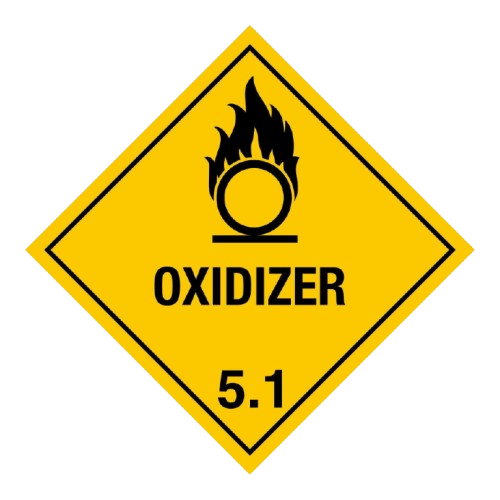
Oxidizers (IATA Class 5.1):
Oxidizers are classified under IATA Dangerous Goods Class 5.1 and are substances that release oxygen and significantly increase the intensity of fires. While they are not necessarily combustible on their own, oxidizers can cause ordinary materials to ignite more easily and burn more violently, making them a serious risk in aviation storage and transport environments.
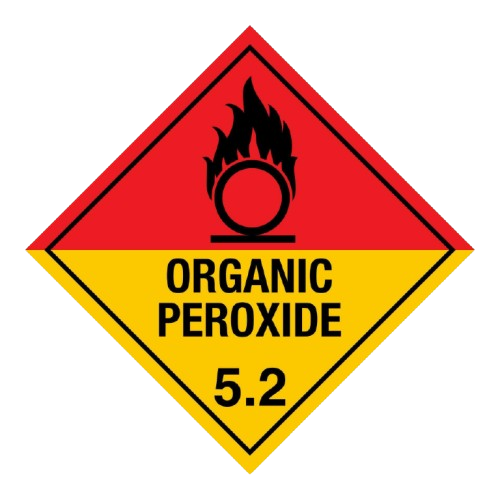
Organic Peroxides (IATA Class 5.2):
Organic peroxides fall under IATA Dangerous Goods Class 5.2 and are highly reactive substances that can decompose violently when exposed to heat, contamination, friction, or impact. These materials present both fire and explosion risks and are among the most temperature-sensitive dangerous goods in aviation transport.
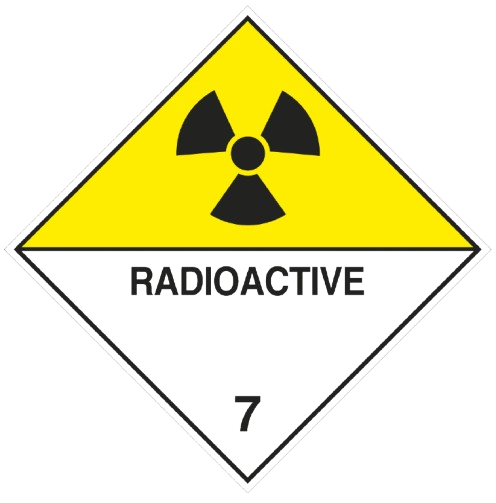
Radioactive Materials (IATA Class 7):
Organic peroxides fall under IATA Dangerous Goods Class 5.2 and are highly reactive substances that can decompose violently when exposed to heat, contamination, friction, or impact. These materials present both fire and explosion risks and are among the most temperature-sensitive dangerous goods in aviation transport.
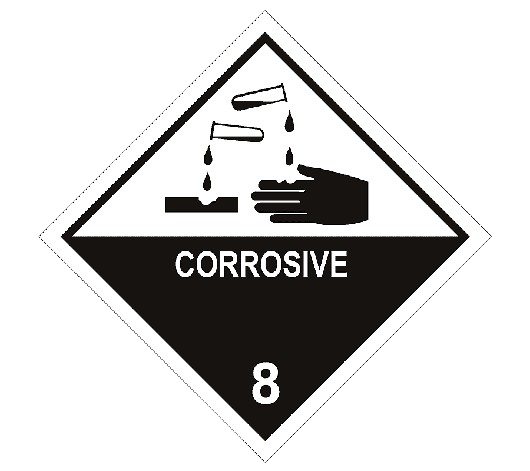
Corrosive Chemicals (IATA Class 8):
Corrosive substances fall under IATA Dangerous Goods Class 8 and are materials capable of destroying living tissue and severely damaging aircraft metals, composites, and coatings upon contact. These substances can cause rapid chemical burns, toxic fumes, and irreversible structural damage if uncontrolled.

Miscellaneous Dangerous Goods (IATA Class 9):
Miscellaneous dangerous goods fall under IATA Dangerous Goods Class 9 and include hazardous materials that do not fit into other specific classes but still present transport and safety risks. These goods may involve environmental hazards, thermal hazards, magnetic interference, or lithium battery-related risks.
Product Families Covered by
our Platform
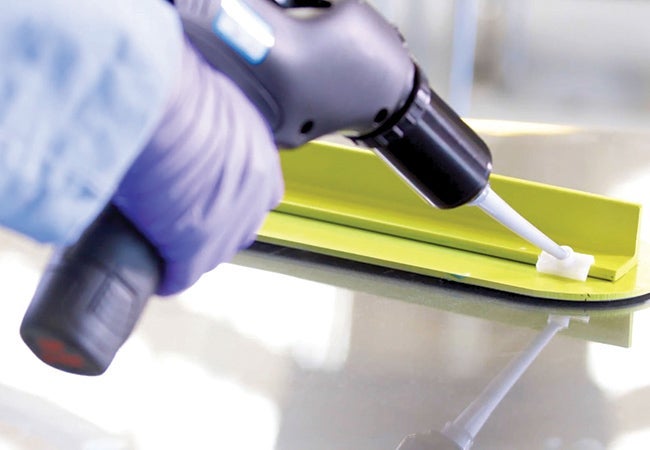
Sealants
Aerospace sealants are critical materials used throughout aircraft maintenance, repair, and overhaul (MRO) operations to protect structures, prevent fluid leakage, and ensure long-term durability under extreme operating conditions. These high-performance compounds are specifically engineered to withstand wide temperature ranges, vibration, pressure changes, fuel exposure, hydraulic fluids, and harsh environmental conditions.

Adhesives
Aerospace adhesives are critical structural and non-structural bonding materials used throughout aircraft maintenance, repair, and overhaul (MRO) operations. These high-performance bonding agents are engineered to deliver exceptional strength, flexibility, and durability while withstanding extreme temperatures, vibration, pressure changes, and exposure to fuels, hydraulic fluids, and environmental contaminants.

Lubricants
Aerospace lubricants are essential to the safe and reliable operation of aircraft systems, reducing friction, wear, and heat across a wide range of moving components. These specialised lubricants are formulated to perform under extreme temperatures, heavy loads, high speeds, and harsh environmental conditions including moisture, fuel exposure, and pressure variation.
Paints
Aerospace paints play a vital role in protecting aircraft structures, enhancing aerodynamic performance, and maintaining brand identity across commercial, military, and business aviation fleets. These highly engineered coatings are designed to withstand extreme temperatures, UV exposure, moisture, fuel, hydraulic fluids, and harsh atmospheric conditions at altitude.
Other Consumables
Beyond adhesives, paints, sealants, cleaners and lubricants, aircraft maintenance relies on a wide range of additional chemical consumables that support daily MRO operations, safety, and long-term airworthiness. These specialised products perform essential functions across inspection, corrosion control, surface preparation, system protection, and operational servicing of aircraft components.
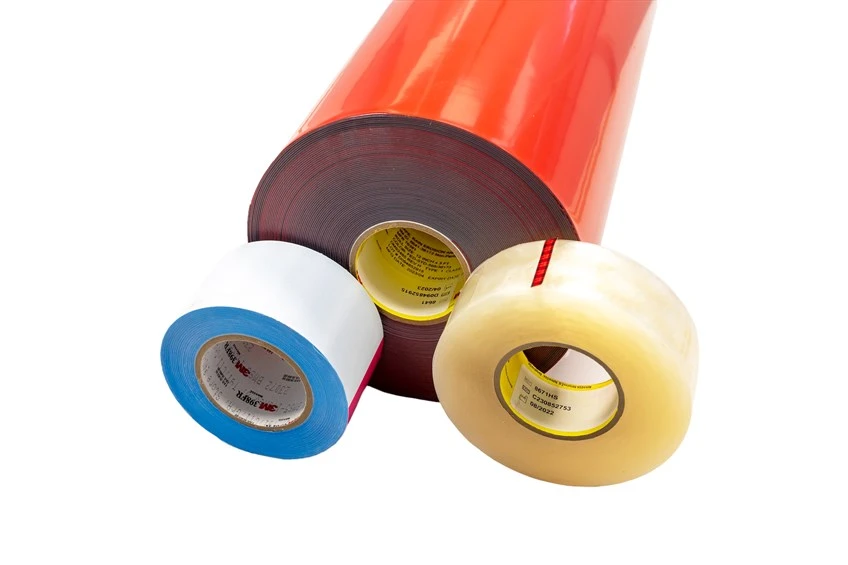
Tapes
Aerospace tapes are essential consumable products used throughout aircraft maintenance, repair, and overhaul (MRO) operations for protection, sealing, masking, insulation, identification, and temporary repairs. These high-performance tapes are specially engineered to perform under extreme temperatures, vibration, pressure changes, moisture, UV exposure, and chemical contact.
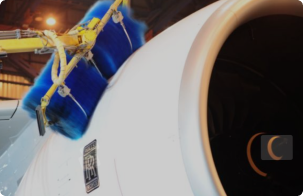
Cleaners
Aerospace cleaners are essential products used throughout aircraft maintenance, repair, and overhaul (MRO) operations to remove contamination, protect critical components, and maintain aircraft performance and safety. These specialised cleaning agents are engineered to eliminate grease, oil, hydraulic fluid, carbon deposits, corrosion residues, and environmental contaminants without damaging sensitive aircraft materials.